

Move Freely: Car‑Free Commuting and Micromobility in Dense Cities

Today we dive into car-free commuting and micromobility in dense cities, exploring practical choices that make daily travel lighter, quicker, and more joyful. Expect field-tested tips, candid stories, and simple frameworks you can copy tomorrow. Join the conversation, ask questions, and share your route wins so others in crowded neighborhoods can ride, roll, or walk with confidence.

Why Leaving the Car Behind Works Better in Crowded Streets

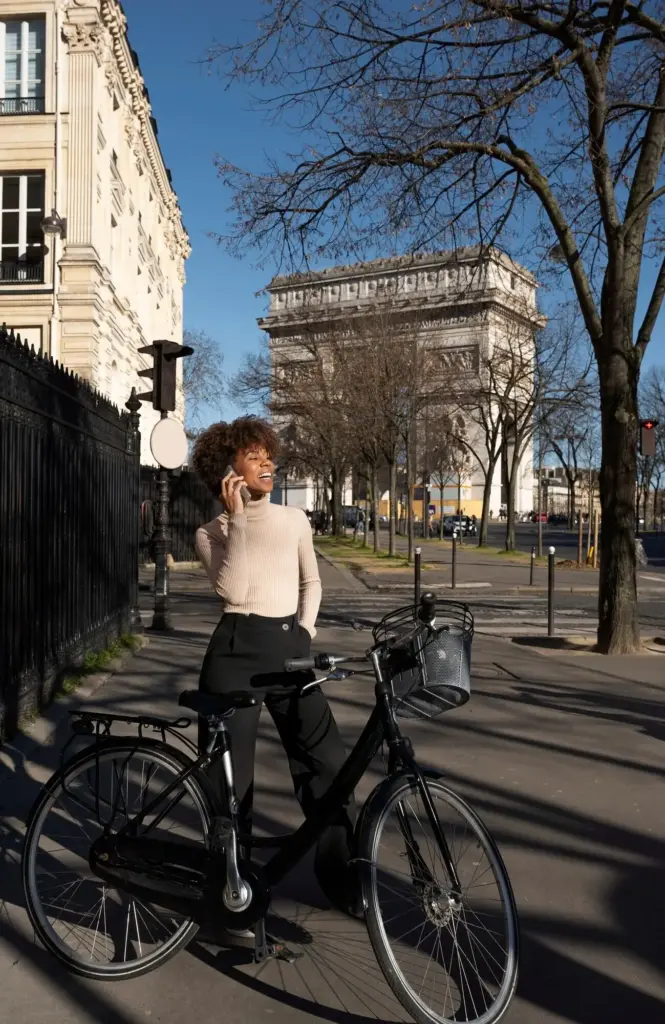
In packed urban cores, ditching the car often means faster door‑to‑door trips, fewer delays, and calmer mornings. Bicycles, e‑bikes, scooters, and walking reclaim time while improving fitness, air quality, and neighborhood safety. We unpack trade‑offs honestly and share real experiences that make change stick.

The Micromobility Toolkit: Finding Your Perfect Ride

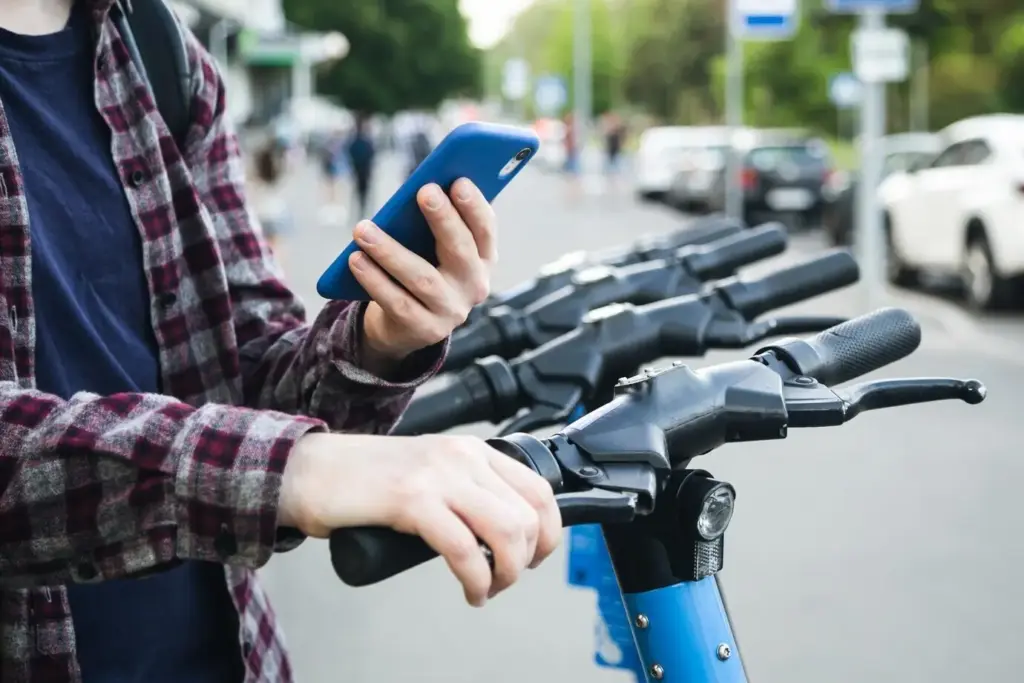
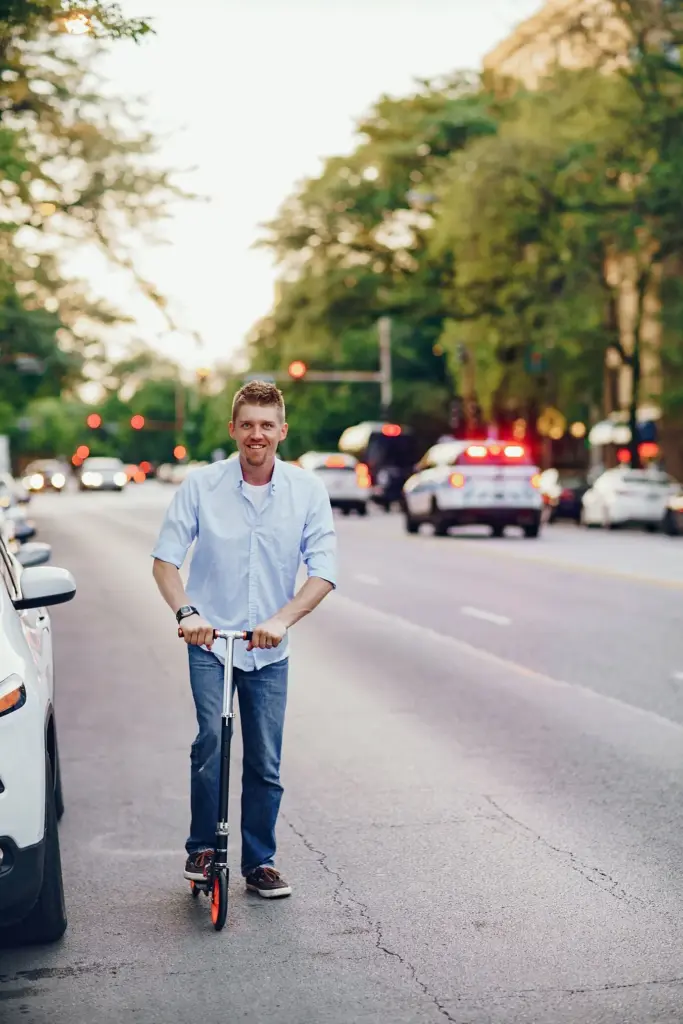
From sturdy city bikes to zippy e‑bikes, nimble scooters, cargo workhorses, and adaptive devices, the right fit depends on distance, hills, budget, storage, and comfort. We compare handling, maintenance, and ownership versus shared fleets, helping you test options without regret or wasted purchases.

Infrastructure That Makes Everyday Trips Effortless

Streets feel inviting when design reduces conflict and uncertainty. Continuous protection, humane speeds, daylighted corners, and intuitive intersections relax everyone, including drivers. We examine practical fixes residents can request, plus quick, low‑cost pilots that prove demand. Share photos of spots begging for bollards, paint, or planters.

Protected Lanes and Intersections

Not all paint is equal. Physical separation, signal phases that eliminate turning conflicts, and forgiving curbs cut injuries dramatically. Tell us where floating bus stops or raised crossings changed your comfort level, and what temporary materials could demonstrate safer geometry on your block this month.
Secure Parking and Charging

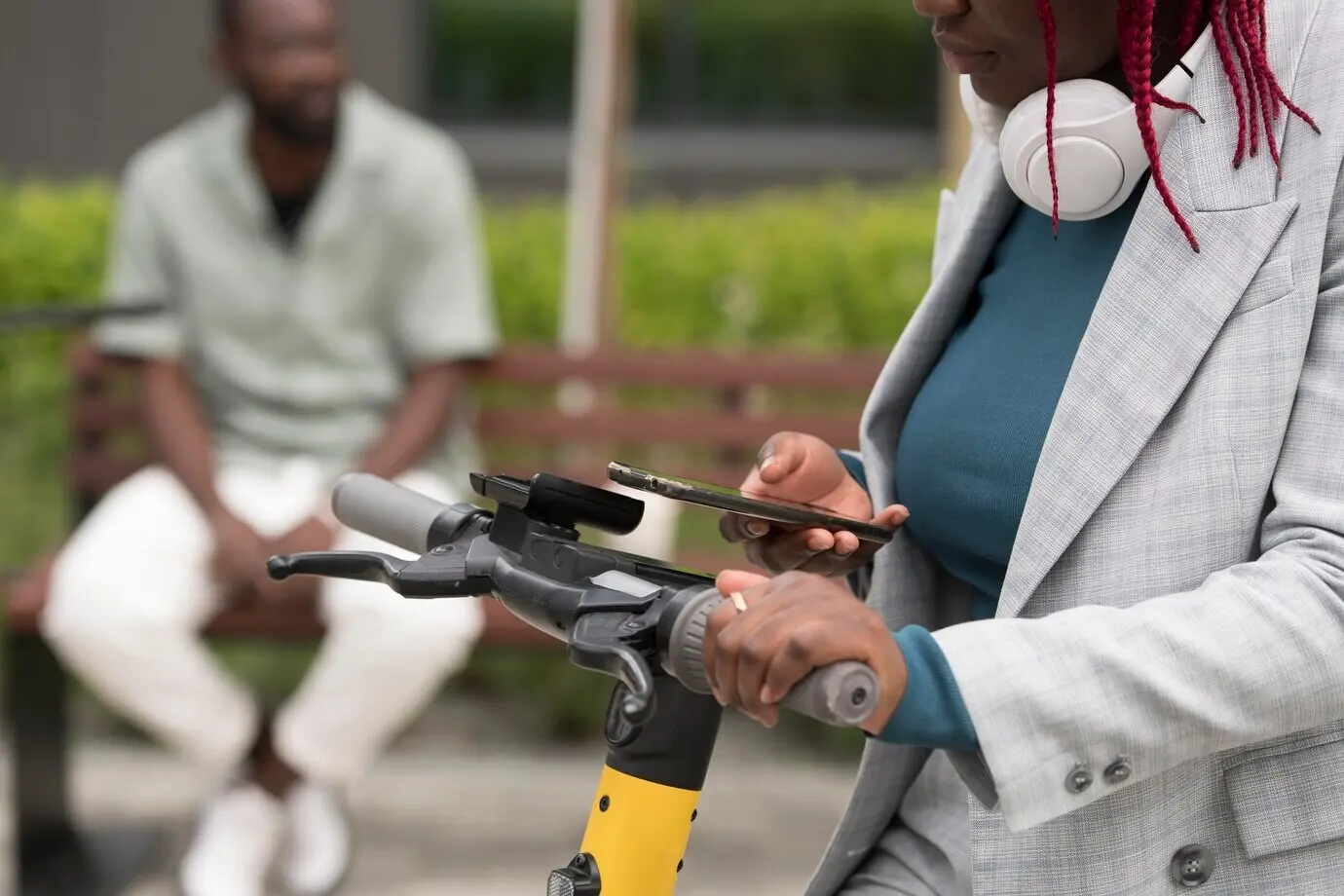
Peace of mind grows with visible, well‑lit racks, monitored rooms, and ground‑floor storage. We review anchoring, insurance, and battery care so your investment lasts. Share how your building handled access, and what policies convinced management to add outlets, signage, and better wayfinding for newcomers.
Transit Links and First‑Mile/Last‑Mile Bridges

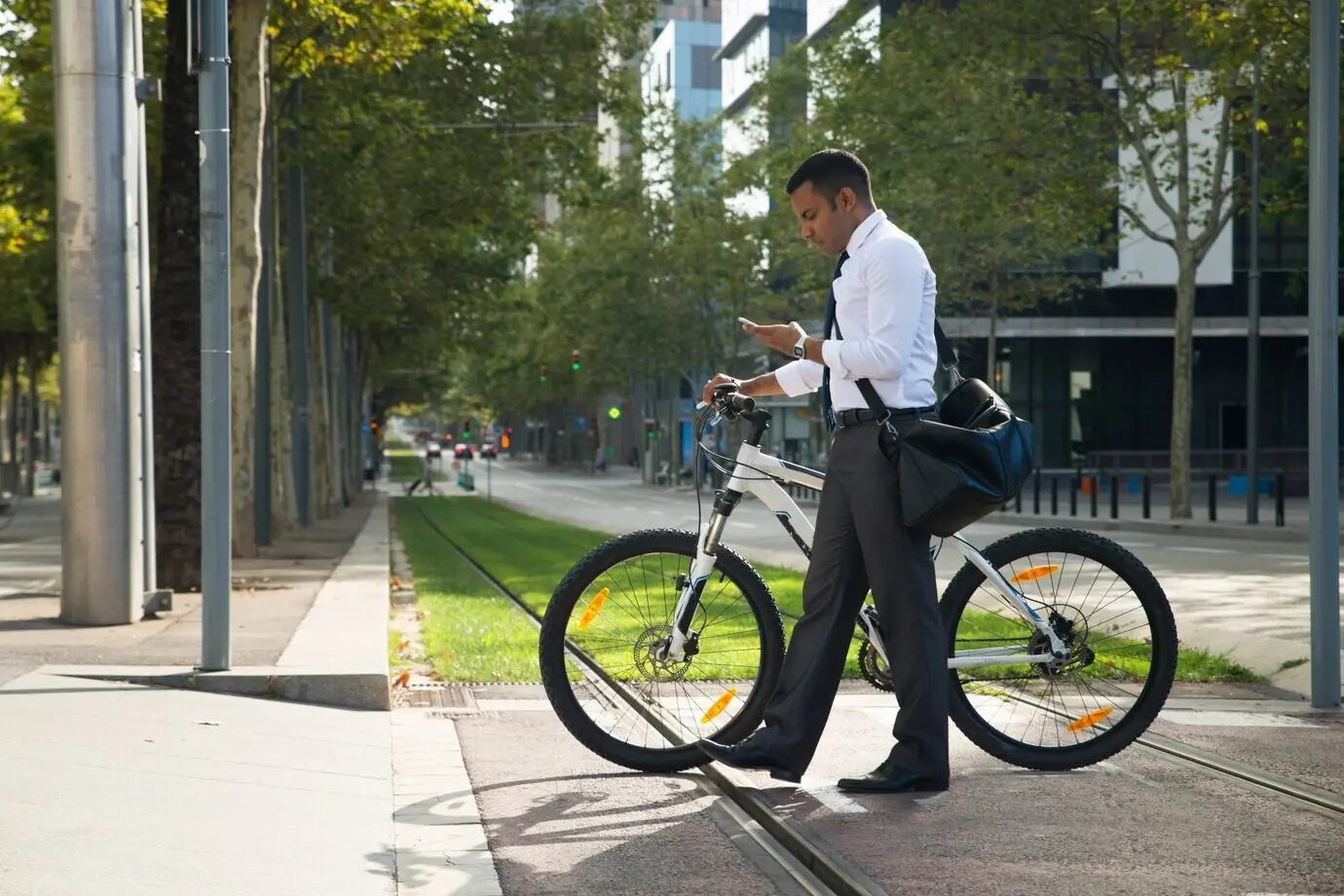
Great journeys combine modes gracefully. Secure bike stations, fare integration, and reliable elevators extend reach without stress. Tell us which station entrances, bus lanes, or ferry piers enable seamless switches, and where small fixes—ramps, lighting, maps—would unlock thousands of car‑free trips every week in your area.

Plan, Ride, Repeat: Building a Stress‑Free Routine

Route Mastery and Low‑Stress Navigation

Use quiet back‑streets, riverside paths, or bus lanes where allowed, and connect them with green waves. Test alternatives on weekends, logging time and feelings, not only distance. Post your go‑to map layers and landmarks that signal you are on the easiest, safest path every day.

All‑Weather Readiness

Layer smartly, keep a compact rain shell, and add fenders, lights, and grippy tires for confidence. Store a dry spare in the office. Share your favorite glove and shoe solutions, plus windproof ear coverage, so colder mornings feel invigorating instead of intimidating or postponed altogether.

Maintenance and Backup Plans

Quick cleanups, brake checks, and charged lights prevent most headaches. Keep a mini‑pump, patches, and wipes nearby, and note repair shops with early hours. Share when you bail to transit or walking, and how that safety valve kept your streak alive without guilt.

Safety, Courtesy, and Shared‑Space Confidence

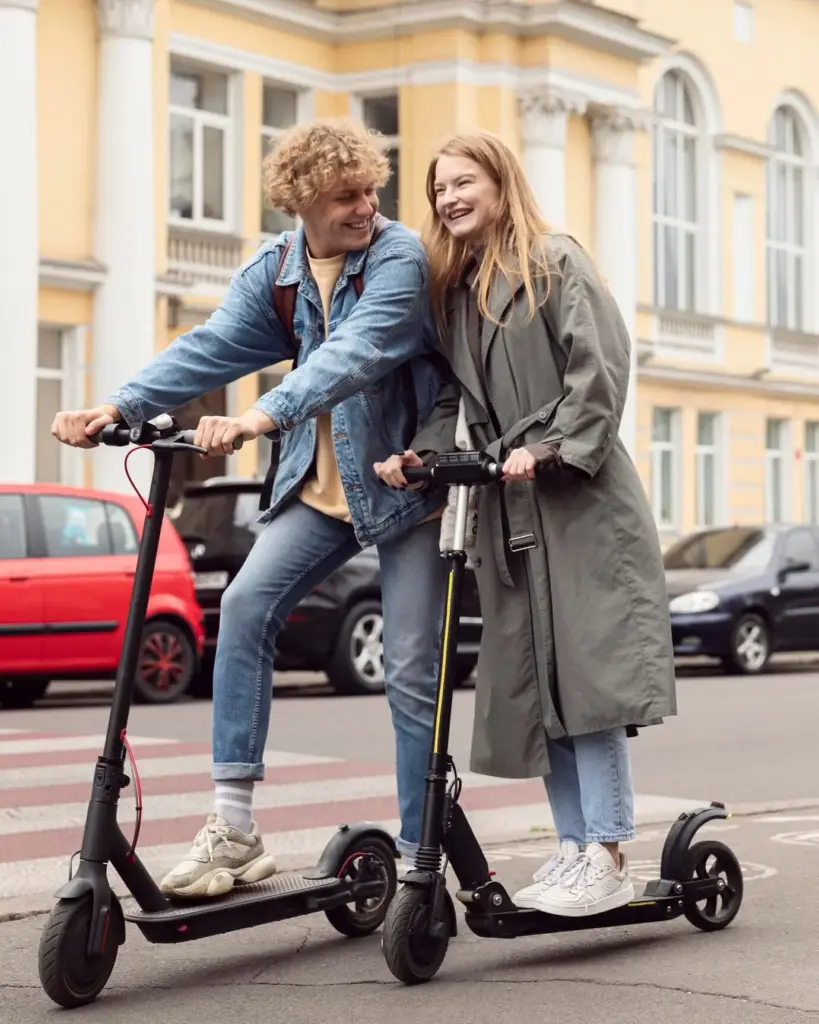
Shared streets ask everyone to be generous and predictable. Clear signals, eye contact, and calm speeds prevent avoidable scares. Lights, bells, reflective details, and lane positioning make intentions obvious. Add your favorite scripts for friendly interactions that defuse tension and help beginners feel welcome in busy corridors.

Affordability, Access, and Fair Mobility for Everyone

Cars are expensive to own, store, and fuel, while light electric and human‑powered options deliver huge savings. Yet access is uneven. We explore purchase incentives, lending libraries, safe‑routes programs, and community repair nights. Tell us what would remove barriers in your block, school, or workplace.

Cost Comparisons and Savings

Add up insurance, parking, depreciation, fines, fuel, and time lost in traffic, then compare with a modest bike, lock, and lights, or a share pass. Share your real monthly numbers so neighbors can evaluate choices honestly and claim savings for travel, childcare, or rent.

Access Programs and Community Models

Sliding‑scale memberships, employer benefits, and student passes can unlock reliable mobility for people who need it most. We highlight tool libraries, volunteer co‑ops, and group buys. Nominate local heroes who lend baskets, fix flats, or teach night‑riding classes that change someone’s week immediately.

Designing for Inclusion

Streets must welcome trikes, handcycles, wheelchairs, and slower riders without penalty. Wide lanes, gentle curb cuts, and resting islands make dignity normal. Share photographs of barriers you encounter, and victories where universal design replaced frustration with independence, proving fair mobility improves life for everyone.
Vizonitixemalapofo
Privacy Overview

This website uses cookies so that we can provide you with the best user experience possible. Cookie information is stored in your browser and performs functions such as recognising you when you return to our website and helping our team to understand which sections of the website you find most interesting and useful.